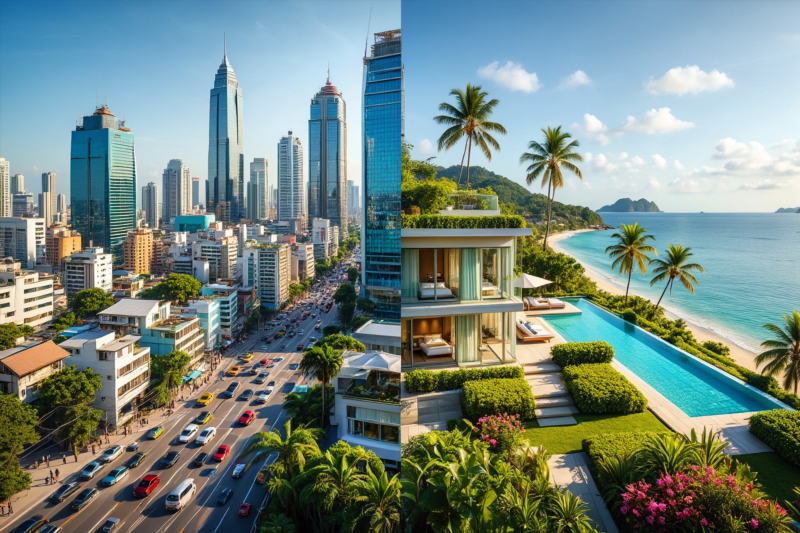
Investing in Thailand’s vibrant real estate market offers lucrative opportunities for both expatriates and local buyers. Whether you’re looking to buy a condo in Bangkok or a villa in Phuket, understanding how to develop a robust exit strategy is crucial for maximizing resale value and ensuring liquidity when it’s time to sell. This article explores comprehensive approaches to exit strategy planning, with specific insights tailored for Bangkok and Phuket, two of Thailand’s most sought-after destinations.
Why Is Exit Strategy Planning Essential?
Effective exit strategy planning is the backbone of successful real estate investment. It helps you:
- Maximize resale value: Ensuring your property appreciates over time and is attractive to future buyers.
- Enhance liquidity: Making sure you can sell quickly without significant losses.
- Achieve investment goals: Whether it’s capital growth, cash flow, or quick turnover, a well-defined exit plan aligns your actions with your financial objectives.
Now, let’s delve into the nuances that differentiate Bangkok and Phuket, so you can craft tailored strategies for each.
Key Factors Influencing Resale Liquidity in Bangkok vs. Phuket
| Factor | Bangkok | Phuket |
| Market Maturity | Highly mature, with ongoing demand and stable prices | Growing, with fluctuating demand driven by seasonal and tourism trends |
| Buyer Profile | Diverse, including expats, local investors, and corporate buyers | Mostly tourists, second-home buyers, and luxury seekers |
| Legal & Regulatory Environment | Well-regulated with clear ownership rights for foreigners | Slightly more complex, with restrictions that may impact resale ease |
| Neighborhood Dynamics | Central business districts, elevated infrastructure | Tourist hotspots, luxury resorts, and expat communities |
Understanding these factors informs how you approach your exit strategy to maximize resale liquidity.
Developing a Tailored Exit Strategy
1. Optimize Property Location & Features
Bangkok:
- Focus on properties in key districts like Sukhumvit, Silom, and Sathorn, known for high demand.
- Prioritize modern amenities, excellent connectivity, and proximity to business hubs.
- Renovate or upgrade outdated units to boost appeal.
Phuket:
- Target properties in popular areas like Patong, Laguna, and Surin.
- Emphasize views, luxury features, and proximity to beaches.
- Maintain properties to uphold high standards for luxury resale.
2. Timing Your Exit
Timing is critical:
- Market Cycles: Keep abreast of property market cycles—buy low, sell high.
- Seasonality: In Phuket, selling during peak tourist seasons (November to April) can attract more buyers.
- Legal & Political Climate: Political stability and legal clarity foster investor confidence.
3. Legal & Documentation Preparedness
- Maintain up-to-date ownership documents.
- Seek legal counsel to navigate Thai property laws, especially for non-residents.
- Ensure compliance with regulations to avoid resale delays or legal complications.
4. Marketing & Positioning
- Use professional marketing to highlight unique property features.
- Leverage high-quality photography, virtual tours, and targeted online platforms.
- Establish relationships with local brokers and international agencies to broaden your reach.
5. Flexibility in Sale Options
- Consider leaseback arrangements or rent-to-buy options to attract different buyer segments.
- Offer flexible terms, especially when market conditions favor buyers.
Special Considerations in Bangkok and Phuket
Bangkok: The Business & Residential Nexus
- Resale Liquidity Drivers: High demand from expats and corporate relocations.
- Exit Strategy Focus: Maintain property standards, ensure legal compliance, and focus on tenants if considering rental income during the holding period.
Phuket: The Leisure & Second-Home Haven
- Resale Liquidity Drivers: Tourism trends, luxury estate developments, and infrastructure improvements.
- Exit Strategy Focus: Highlight resort amenities, leisure facilities, and scenic location benefits to attract premium buyers.
FAQs on Resale Liquidity and Exit Strategies
Q1: How long should I hold my property before selling for maximum resale value? A: Generally, a 5-7 year holding period aligns with Thai market cycles, allowing appreciation while managing market fluctuations.
Q2: What are the most effective ways to improve liquidity in Phuket? A: Enhancing property appeal with modern upgrades, strategic marketing during peak seasons, and leveraging local brokers can significantly boost liquidity.
Q3: Are there legal restrictions on foreigners selling property in Thailand? A: Foreigners can sell properties they own outright but must comply with Thai laws, including ownership limits and registration procedures. Hiring legal experts is recommended.
Final Thoughts: Maximize Your Investment with a Strategic Exit Plan
A well-crafted exit strategy involves meticulous planning, market awareness, legal preparedness, and targeted marketing. Whether in Bangkok’s bustling metropolis or Phuket’s picturesque beaches, aligning your resale approach with local market dynamics significantly enhances liquidity and profitability.
Remember, the key to successful property resale lies in proactive management—stay informed, adapt to market changes, and position your property to stand out when the time comes to sell.
Ready to take the next step? Contact Chronolix Estates today to access verified listings, neighborhood insights, and legal tips tailored for Bangkok and Phuket. Let us help you develop an exit strategy that aligns with your investment goals, ensuring you achieve maximum value and liquidity in Thailand’s dynamic real estate market.
Ready for your move to Thailand?
Our team helps expats navigate the real estate market with legal safety and verified insights.
Back to Thailand Hub